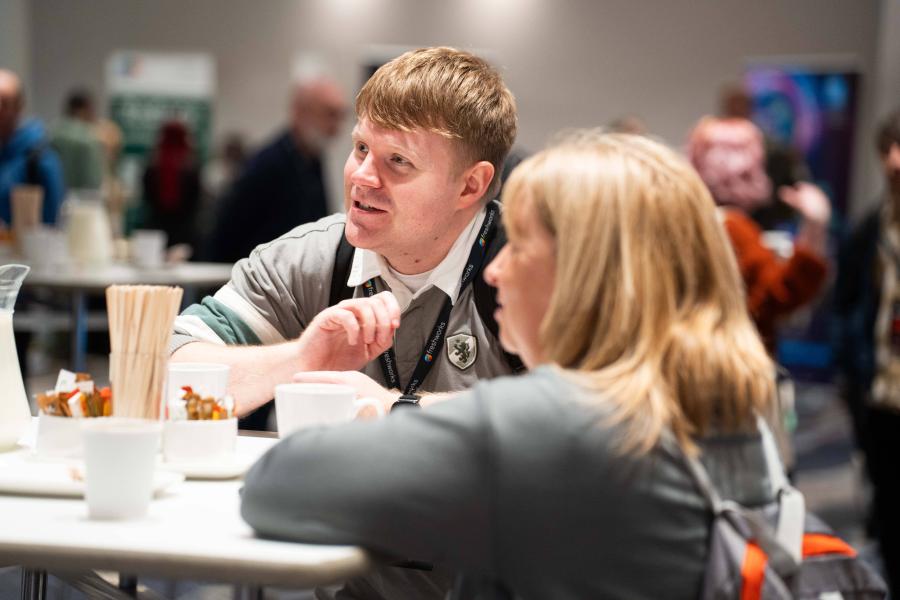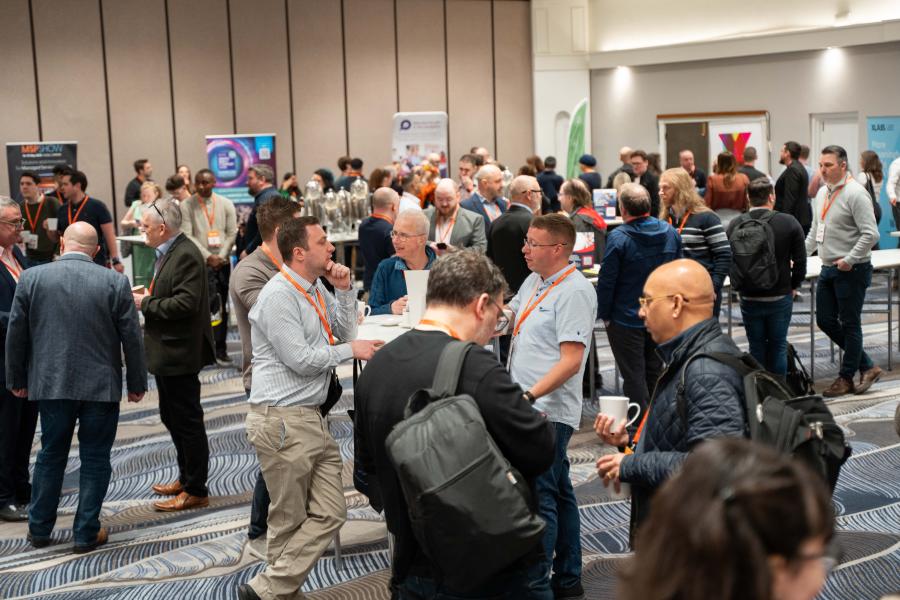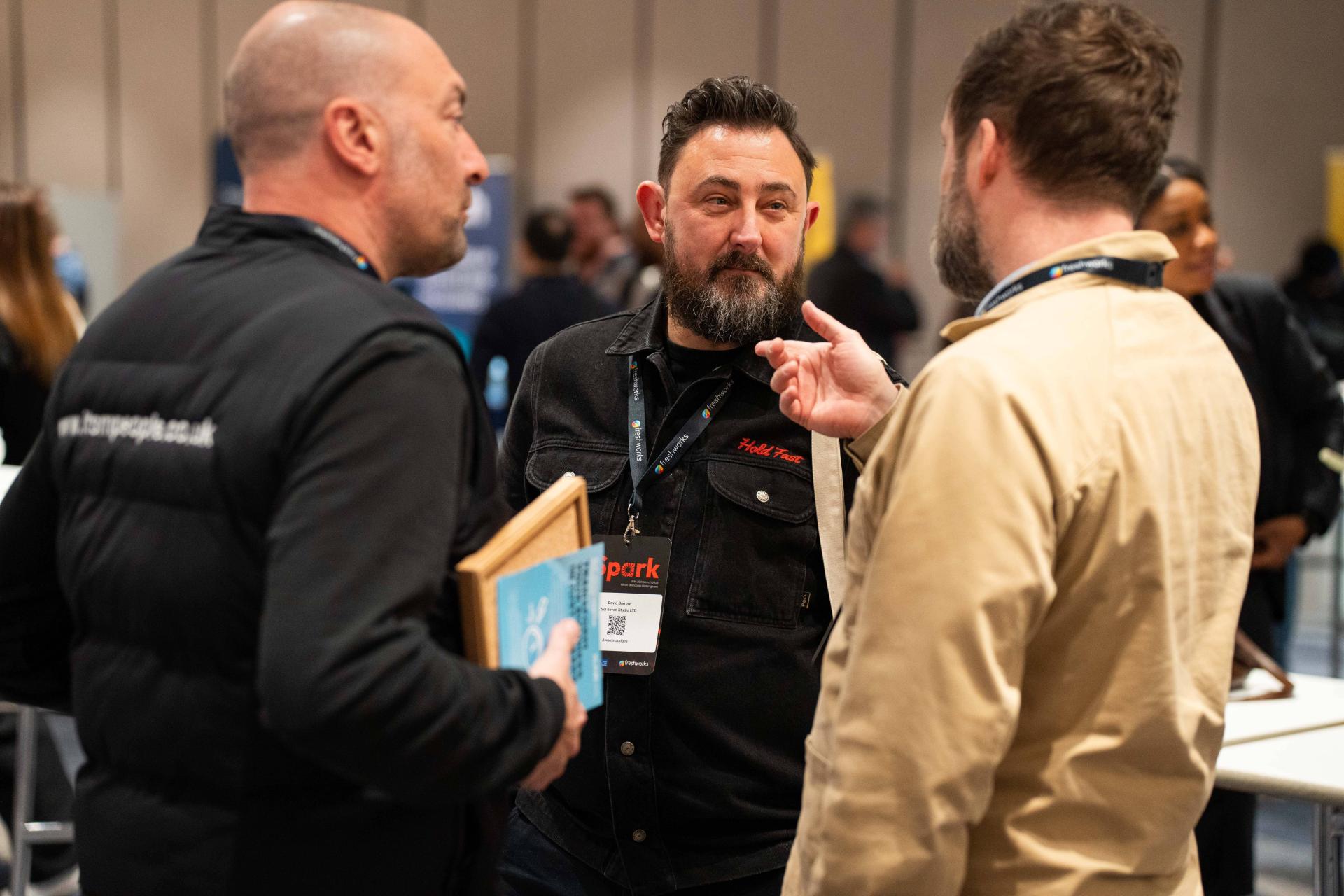
Drinks and delicious snacks to start the day off right.
Kings Suite
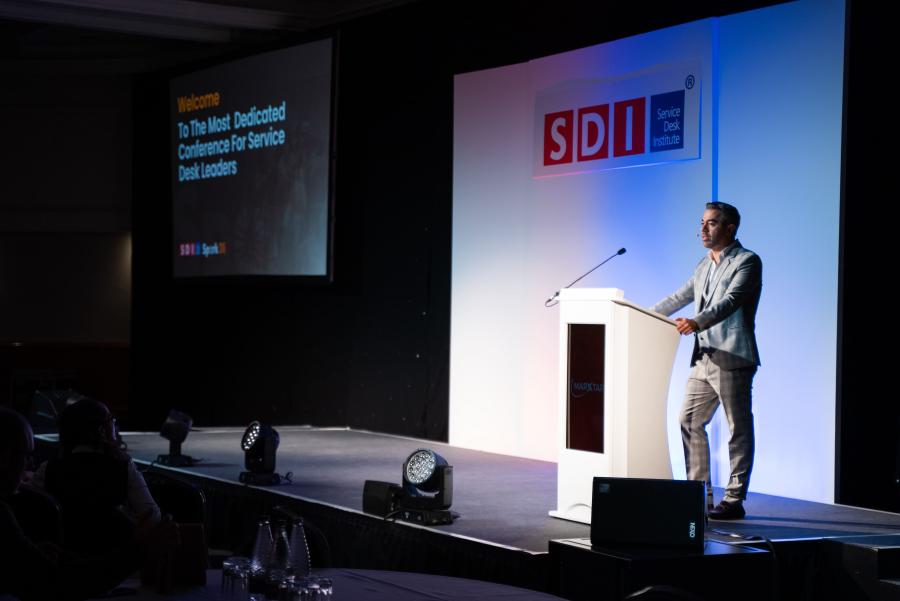
Welcome to the SDI Conference.
Kick off Spark27 with the 2015 World Beatbox Champions, whose electric, all-vocal show turns rhythm and voice into a masterclass in connection, confidence and wellbeing
Buckle up! Spark27 kicks off with the 2015 World Beatbox Champions, and it's every bit as electric as that sounds. The Beatbox Collective bring an explosive, all-vocal show that's stunned crowds from Glastonbury to BBC World News, using nothing but the human voice. But this isn't just a performance to watch; it's an experience that gets to the heart of what Spark's all about: rhythm, connection, and communication. Expect jaw-dropping vocal percussion, genuine energy in the room, and a session that shows how something as simple as the human voice can build confidence, support wellbeing, and bring a room full of strangers together before the day's even properly begun.
Dr Jeffrey Fairbanks shares how NBC Universal is cutting service desk call volume by getting ahead of problems before they ever reach an agent.
Dr Jeffrey Fairbanks, of NBC Universal, shares how one of the world's biggest media companies is shifting from reactive firefighting to genuinely proactive support: spotting issues before they ever become a ticket, and redesigning processes so problems get solved upstream rather than landing on an agent's desk. Drawing on real practices from inside NBC Universal, this session looks at what proactive support actually means in day-to-day operations, and what it takes to meaningfully bring call volume down without just hiding the problem elsewhere.
We're finalising a headline session for this slot, check back soon for the details.
Henley Sponsored by ITIL
Defending the Service Desk from Voice Phishing
Your service desk agents are paid to be helpful, but attackers love to exploit that good nature. Join us as we share exclusive insights from the front lines of social engineering and vishing simulations. Discover the exact tactics hackers use to trick agents into resetting passwords or bypassing MFA, and walk away with a concrete blueprint to turn your helpful service desk into an unshakeable security asset.
Dukes
Digital twins that feel reality
Alex explores how digital twins can turn scattered assumptions about customers into a shared, living picture the whole team can work from, changing how service and experience decisions actually get made.
This session shows how AI can help model the thing that matters most: experience. It explores how organisations can build a digital twin of experience by bringing together personas, journeys, service interactions and behavioural insights, creating a shared understanding of what people actually experience when using their services.
It looks at how this approach can help identify hidden friction, understand the gap between designed and lived experiences, and make better decisions about service improvement and transformation.
Expect a mix of AI theory, a live demo of the tool, and a look at how it's being used in practice, and the difference it's making.
Earls sponsored by HappySignals
HappySignals's session details are coming soon.
Hampton
Rob Simms brings the spirit of punk rebellion to continual improvement, showing why the real blockers to progress are the things nobody feels safe saying out loud.
Through stories of career-defining rebellion, Rob Simms explores how the spirit of punk continues to show up in the most unlikely place: continual improvement. Discover why the biggest blockers to progress are often the things nobody feels safe enough to say out loud, and how to challenge the status quo, create psychological safety and turn "f*** the system" into something far more valuable: fix the system.
York
Reframing ‘Imposter Syndrome’ for Women in Technology
Many of us are frequently told we suffer from imposter syndrome, a perceived deficit that undermines confidence and progression. But what if the problem isn’t internal at all?
This provocative session challenges the very premise of imposter syndrome. Drawing on lived experience, it will reframe the feelings of self-doubt not as a personal failing, but as a rational response to systemic bias and unequal expectations.
One of the most frequently asked questions I receive is “How do I manage imposter syndrome” My answer is simply this - I don’t believe imposter syndrome exists.
This session explores why labelling experiences as a “syndrome” can be unhelpful, and even harmful. What we often describe as imposter syndrome is, in fact, a rational response to a culture that continues to question our authority, competence, and right to lead. This talk challenges conventional narratives and invites a shift in perspective - from internal self-doubt to external structural reality.
Key Themes / Learning Objectives
* Debunking the myth of imposter syndrome
Explore why the term itself may be misrepresenting the root cause of self-doubt.
* Understanding the cultural context
Examine how organisational structures, biases, and expectations disproportionately affect women in positions of authority.
* Reframing self-doubt as a rational response
Recognise that these feelings are not irrational—but grounded in lived workplace realities.
* Shifting the focus from individuals to systems
Move beyond resilience narratives to consider structural and cultural change.
* Practical actions for individuals and organisations
Identify how leaders, allies, and organisations can create environments where women can thrive without having to be “perfect”.
Dukes
Not sure if that shiny AI agent is a genius or just a chatbot reading from a script? Scott's session gives you a jargon-free cheat sheet for working out which one you're dealing with, before you sign anything.
Not all AI agents are created equal. From the outside, a scripted chatbot and a genuinely capable agent can look identical in a demo. This session gives non-technical buyers, stakeholders, and champions a simple maturity curve for telling them apart: from scripted (can only follow a script), to aware (knows what it doesn't know and escalates well), to trusted (handles real edge cases without supervision), to self-improving (gets better from real conversations over time). For each stage, we'll cover the plain-language questions to ask a vendor or internal team, the warning signs that an agent isn't ready for primetime, and what "good" actually sounds like in a live conversation. No coding, no jargon. Just a rubric you can use in your next vendor demo or internal review. We'll close with a quick real-world example of an agent moving up this curve.
Henley Sponsored by ITIL
Earls sponsored by HappySignals
Mark Franzen challenges dashboard-driven success metrics, sharing how real programmes are using support preferences, XLAs and agentic AI to close the gap between what IT reports and what users actually experience.
Most service desks look healthy on dashboards, but for many users the day to day experience tells a very different story. This session challenges how we measure success and shares a practical approach to putting employee experience at the centre. Using examples from real programmes, Mark will show how support preferences, XLAs and agentic AI are helping organisations close the gap between what IT reports and what users actually experience.
Key takeaways
How to spot and fix the gap between reported performance and lived experience
How to use XLAs to measure what actually matters to employees and the business
How AI is moving from answering questions to taking action across service workflows
Hampton
Alexandros Christias uses Plato's cave as a lens to name the 'shadows': dashboards, workarounds and poor design, that service teams often mistake for reality, and how to see past them
In Service Management, we often manage shadows rather than service itself. Dashboards, workarounds, and poor design can create convincing but incomplete versions of reality. Using Plato’s cave as a lens, this session names three common shadows, shows why they form, and offers practical ways to see past them toward clearer understanding, better ownership, and more human service experiences.
York
Dukes
Earls sponsored by HappySignals
Paul Brandvold explores why experienced, insightful people in technical teams often stay quiet, and how visibility, communication and culture shape whether good ideas actually get heard
Many technical teams contain people with deep experience and valuable insight who rarely contribute beyond their immediate responsibilities. Over time, this can affect collaboration, decision-making, improvement, and confidence within teams in ways that are often difficult to notice from the outside.
This session explores the relationship between expertise, visibility, communication, and culture in technical environments. Drawing from personal experience and years working in ITSM, the talk reflects on why knowledgeable people sometimes become increasingly quiet, why good ideas are often left unspoken, and how environments shape whether people feel encouraged to contribute.
The session takes a practical and human-centered approach to topics such as confidence, recognition, communication, and the belief that good work alone should be enough to be noticed.
Hampton
York
Henley Sponsored by ITIL
ITIL's session details are coming soon.
Dukes
Earls sponsored by HappySignals
Hampton
ManageEngine's session details are coming soon.
York
Sarah Morgan explores what resilience really means for neurodivergent employees on the service desk, and how managers can better support them.
Resilience looks different depending on how your brain works, and for neurodivergent employees, the tools that work for everyone else often don't. Sarah Morgan of Luceat Coaching, explores what building resilience actually means for neurodivergent individuals on the service desk: from navigating rejection sensitivity and a louder-than-usual inner critic, to handling conflict and maintaining psychological safety in a high-pressure, customer-facing role. This session speaks to both employees building their own resilience and the managers who want to support them properly, offering a genuinely practical, human look at what's different, and what actually helps.
Kings Suite
Dr. Joshua Nelson shares how he built an unconventional path from enlisted Marine to international keynote speaker, unpacking the mindset shift from passively waiting for opportunity to intentionally architecting your own career.
Most people manage their careers reactively; waiting for the next opportunity, the next promotion, the next someone to notice them. But some treat their career like a blueprint: intentional, bold, and designed from the inside out.
Dr. Joshua Nelson has lived both realities. From enlisted Marine to doctoral graduate, from IT service desk to international keynote stage, from technology executive to workforce strategist, none of it followed a conventional path. All of it was built on purpose.
In this session, Josh unpacks the mindset shift that separates career architects from career passengers. You'll explore how to define your own ceiling and then exceed it, how to leverage unlikely experiences as your greatest credentials, and how to move with confidence into spaces where you don't yet have a title to match your ability.
Whether you're chasing a promotion, eyeing a cross-functional move, or just beginning to believe something bigger is possible, this session is your permission slip.
Design the career. Then build it.
Sophie Hussey tackles the mental health toll of customer-facing service desk work, sharing practical tools to help managers and analysts build resilience and deliver better service under pressure.
This session is all about mental health and how to effectively build strength and resilience in your Service Desk teams. I'm passionate about this because it's bloody hard working in any customer facing role and often, service desk teams are not given the same about of training to deal with sensitive customers or highly stressful situations. The aim of the session is to support service desk managers and analysts understand the tricks and tools they can deploy to build resilience, strengthen their armour and ultimately provide a better service to their customers.
Thank you for joining us, we hope you had a great day. If you are leaving us today, we wish you a safe onward journey. For those staying for the SDI Awards and Day Two, we'll see you later!
Henley Sponsored by ITIL
Have your moment to shine and get your professional photos
* SDI Awards Finalists only
Queen's Expo Hall
Kick off the evening in style at the SDI Awards pre-dinner drinks reception - unwind, connect, and set the tone for the night ahead. It's the perfect chance to mingle in a warm, buzzing atmosphere: grab a drink, strike up great conversations, and soak up the excitement as the countdown to the awards begins. Good company, great energy, and the celebration starts right here.
Get ready for the highlight of the evening, the SDI Awards Dinner, proudly delivered with thanks to ITIL, Official Awards Partner.
Enjoy a delicious three-course meal accompanied by wine as the excitement builds and we reveal this year’s winners. Celebrate the achievements of your peers, share the moment with your team, and soak up the atmosphere as the room comes alive with anticipation.
Capture the memories at the photo mirror, perfect for a few fun snaps with colleagues as the celebrations continue and the dance floor opens. It’s an evening of recognition, team bonding, and well-deserved celebration you won’t want to miss.